934 Beaver Grade Rd, Coraopolis, PA 15108


Why Does Your Tooth Hurt When You Bite Down? Diagnosing the Need for a Root Canal
Have you ever had one of those sharp pains when you bite down, the kind that makes you stop dead in your tracks, reconsidering your next meal? This kind of pain can be quite unnerving and, more often than not, points to a more serious dental problem. Pain when chewing is not something to take lightly. It could mean there’s an infection, serious decay, or even root canal treatment.
Why does this pain happen from biting down, and how is a root canal going to take the discomfort away?
Common Causes of Tooth Pain When Biting Down
Generally, tooth pain during biting might be due to many underlying dental problems.
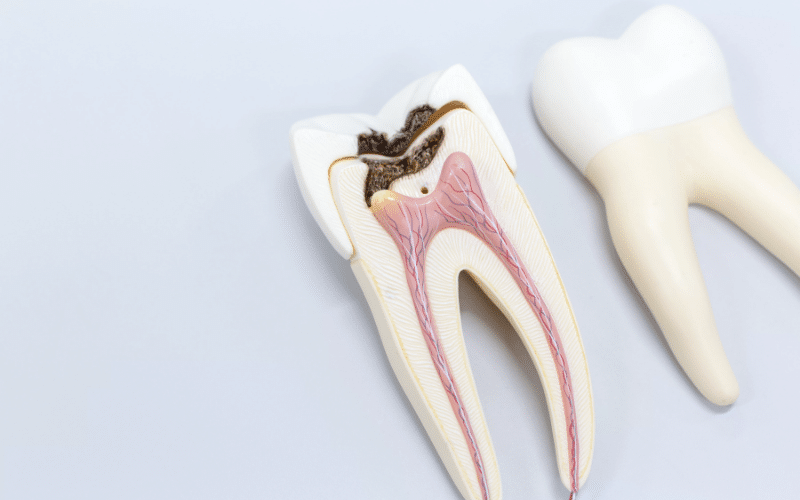
Tooth Decay: Pain is one of the leading causes due to the effects of untreated cavities. Cavities, if not treated, grow deeper into the tooth and infiltrate the inner pulp. This might cause sharp pain with pressure applied during biting.
Cracked or Chipped Tooth: A cracked or chipped tooth, especially one exposing the nerve, tends to cause significant discomfort. The more you chew, the more pressure it puts on the crack, hence irritating the nerves inside, which is painful.
Gum Infection: Infection of the gums or any infection around the tooth is also a potential cause of pain upon chewing. The infected gums create inflammation and pressure, which may extend to the tooth.
Sensitivity: If the enamel has worn down or if the nerves are exposed, then biting down can trigger pain. Contact with hot or cold substances, even slight pressure, will result in discomfort, especially in highly sensitive teeth.
Knowing the source of your pain is important for proper treatment. If it persists, that may be an indicator to take further action.
Understanding Root Canal Treatment
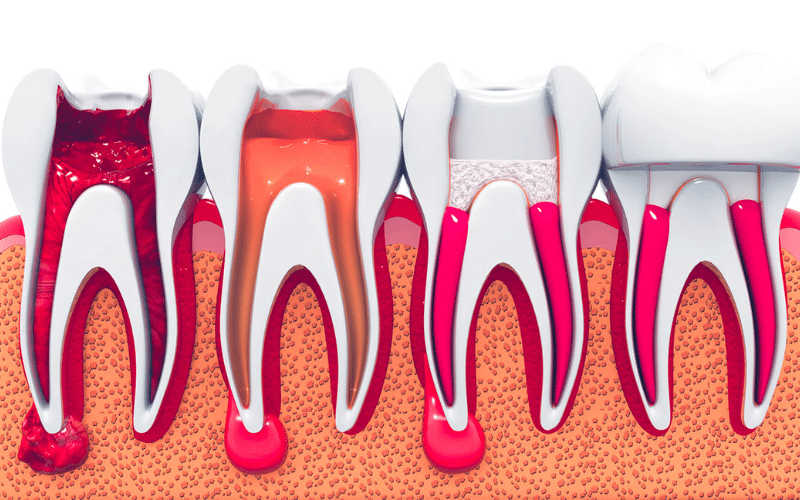
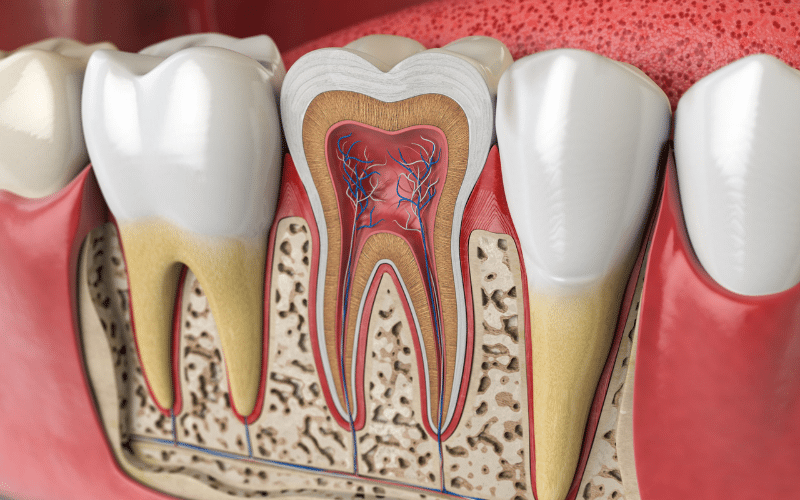
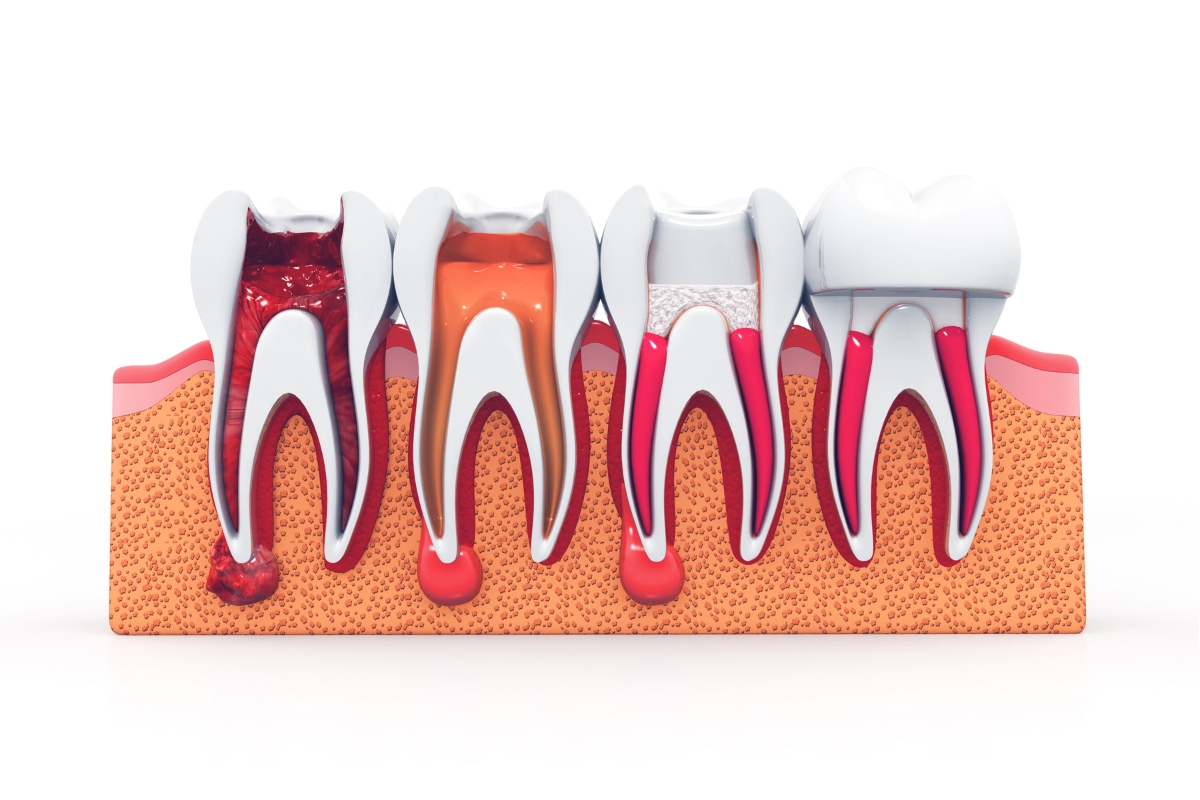
Root canal treatment in Coraopolis is a kind of dental procedure that aims to save an infected or an inflamed tooth in its pulp. The pulp is a soft tissue inside the tooth that contains nerves and blood vessels. When the pulp becomes infected due to decay or damage, a root canal removes the affected tissue, cleans the inside of the tooth, and then seals it to prevent further infection.
A root canal is usually the course of action when an infection or damage has reached the pulp, thus causing pain or sensitivity. Root canal treatments can alleviate these symptoms, lingering pain upon biting, sensitivity to heat or cold, discoloration of the tooth-by removing infected tissue and sealing the tooth.
Signs You May Need a Root Canal
If you feel pain while biting, it may be a symptom of something more serious. Here are some very common signs that you will need a root canal:
Persistent Pain: One of the clearest signs of needing a root canal is constant or recurring pain, especially when chewing or biting. If the pain does not go away or it worsens, then it is time to make a visit to a dentist.
Sensitivity to Hot or Cold: Prolonged discomfort with hot or cold food is also a warning sign. A healthy tooth would not be sensitive to such extremes, but an infected tooth would.
Swelling or tenderness: Any pain accompanied by swelling or tenderness around the gums is a sure sign of an infection. This could mean that an infection has spread to the surrounding tissues.
Discoloration of the Tooth: Darkening of the tooth over a period of time could imply nerve damage. This is normally due to the death of the pulp of the tooth and is one of the many reasons why root canal treatment in Coraopolis is considered.
If you experience any of these symptoms, don’t wait for the pain to subside. A root canal treatment can help prevent further damage.
Advantages of Undergoing a Root Canal
Root canal treatment is indeed an effective method for tooth salvage and pain alleviation. The following are some of its benefits:
Pain Relief: A root canal can immediately alleviate the severe pain caused by an infection or inflammation in the tooth’s pulp.
Saving the Tooth: Infection of the tooth, if not treated by root canal therapy, may lead to the extraction of the tooth. This procedure allows the natural tooth to be maintained and further treatment to be avoided.
Preventing further infection: Through a root canal, the infected tissue is removed, and the tooth is sealed to avoid the infection from spreading throughout your mouth. This way, your overall oral health is preserved.
If you have pain when biting, this is not something to be ignored. The sooner you catch it and treat it, the better. You may just need root canal treatment to alleviate your discomfort and preserve your tooth.
Speak with a dentist regarding your symptoms and see if root canal treatment is right for you. By taking action early, you will be protecting your smile from requiring further procedures later on.
FAQs
Is tooth pain always a sign of a root canal?
Not all tooth pain indicates the need for a root canal. It could be caused by cavities, gum disease, or sensitivity. A dentist will assess the pain to determine the cause.
Does a root canal hurt?
Root canal treatment is generally pain-free thanks to local anesthesia. Some discomfort may occur after the procedure as the area heals, but this usually resolves within a few days.
How long does a root canal procedure take?
A root canal typically takes 60 to 90 minutes. More complex cases may require multiple visits, especially if there are multiple roots or a severe infection in the tooth.
Can a root canal save my tooth?
Yes, a root canal can save a tooth by removing infected pulp and sealing the tooth, allowing it to remain functional. Without treatment, the tooth may need to be extracted.
What are the risks of not getting a root canal?
Avoiding a root canal can lead to tooth loss, continued pain, and further infection spreading to other teeth or the jawbone. Early intervention can prevent these complications.