934 Beaver Grade Rd, Coraopolis, PA 15108


Teeth Sensitivity During Cleanings in Coraopolis, PA
Many patients in Coraopolis wonder why their teeth feel sensitive during cleanings. That sharp twinge or achy sensation can catch you off guard. Understanding why it happens — and how we stop it — makes a real difference. At Pearl Dentistry of Moon, Dr. Abagayle Stock and our hygiene team are committed to making every cleaning as comfortable as possible.
If sensitivity has ever made you dread your next appointment, you are not alone. Tooth sensitivity during cleanings is one of the most common concerns we hear. The good news is that there are clear reasons it happens, and we have practical ways to address it right in the chair.
Why Your Teeth Feel Sensitive During Cleanings in Coraopolis
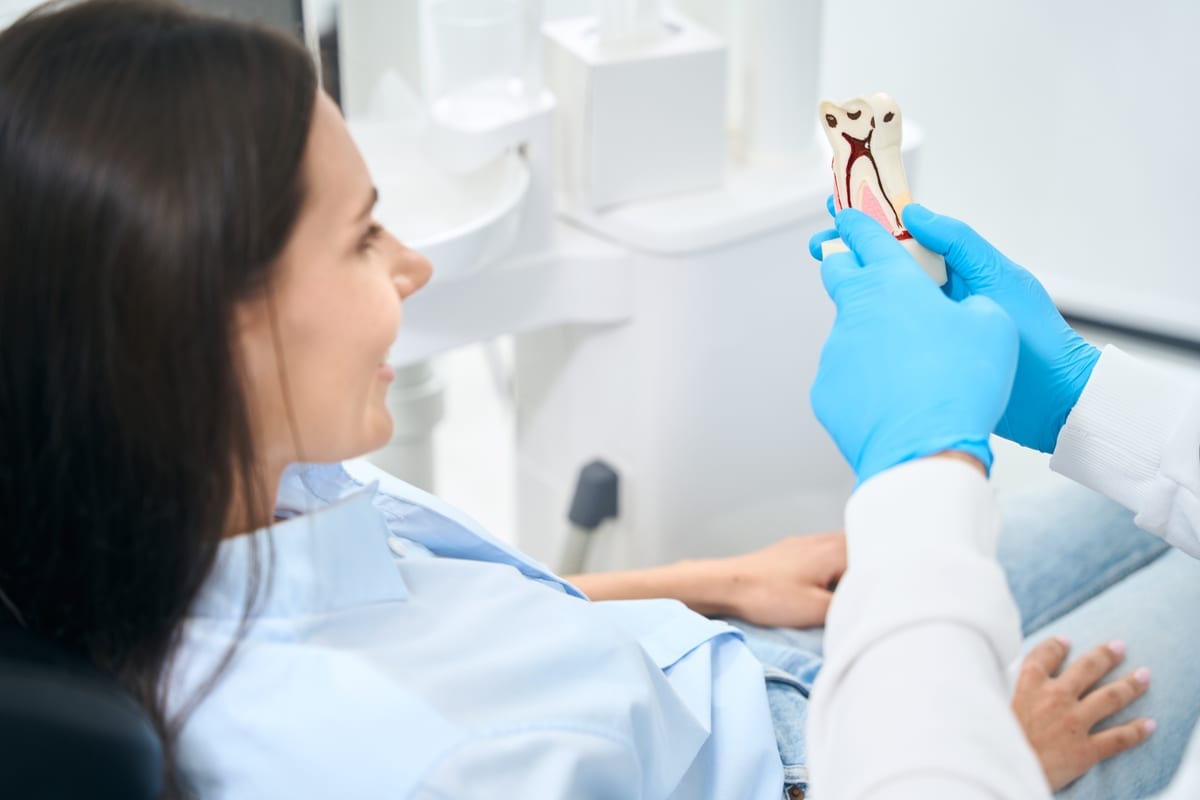
Sensitivity during a dental cleaning usually comes down to a few key causes. The most common is exposed dentin — the layer just beneath your tooth enamel. When gum tissue recedes or enamel wears thin, dentin becomes vulnerable to touch and temperature.
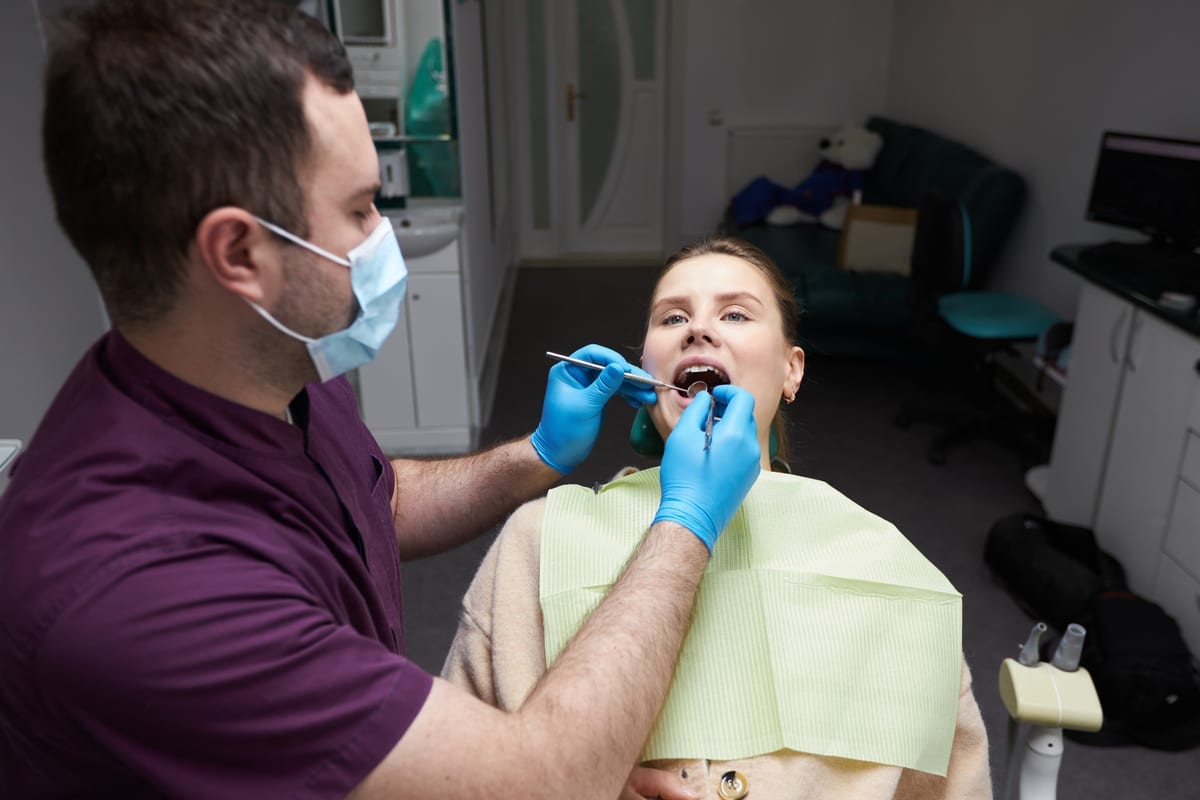
Scaling tools used during cleanings remove built-up plaque and tartar. These tools vibrate and create pressure along the gumline. For patients with exposed root surfaces or thin enamel, that pressure can feel intense.
Gum inflammation is another major factor. Swollen, irritated gums have more nerve endings close to the surface. Even gentle cleaning can trigger discomfort when gums are inflamed from plaque buildup.
- Enamel erosion from acidic foods or drinks
- Gum recession exposing sensitive root surfaces
- Untreated gum disease causing chronic inflammation
- Cracked or chipped teeth with exposed inner layers
- Teeth grinding wearing down protective enamel
Knowing your specific cause helps us tailor the cleaning to your needs. Dr. Stock always reviews your dental history before any procedure begins.
How Our Hygienist Minimizes Sensitivity During Your Visit
Our hygiene team at Pearl Dentistry of Moon uses several techniques to reduce discomfort. The first step is communication. We ask patients to raise their hand if anything feels too intense. This gives you control throughout the entire appointment.
We also adjust our tools based on your sensitivity level. Ultrasonic scalers use gentle water irrigation to loosen tartar. For highly sensitive patients, we may switch to hand scalers in delicate areas.
Topical numbing gel is another option we frequently use. Applied directly to gum tissue before scaling begins, it reduces surface nerve sensitivity quickly. Many patients are surprised by how much it helps.
- Open communication throughout your appointment
- Tool adjustments for sensitive areas
- Topical anesthetic gel applied before scaling
- Slower, gentler technique in vulnerable zones
- Warm water irrigation to soothe tissues
We never rush through a cleaning. Taking a slower, more deliberate approach reduces the pressure that causes that sharp, uncomfortable sensation.
When Sensitivity Points to a Bigger Issue
Sometimes cleaning-related sensitivity is a signal worth investigating further. Persistent sharp pain during or after a cleaning may indicate an underlying dental issue. It is important not to ignore these signs.
Gum disease is a common culprit. When infection has progressed below the gumline, even routine cleaning can trigger significant discomfort. Our team is trained to recognize the signs and recommend appropriate treatment right away.
Cracked teeth or failing restorations can also cause sensitivity that feels worse during cleanings. The vibration from scaling instruments can aggravate an existing crack. Early detection prevents these issues from becoming more serious.
In some cases, patients may benefit from a deeper cleaning procedure called scaling and root planing. This targets bacteria below the gumline. It is performed with local anesthesia for maximum comfort. If you are concerned about long-term dental stability, ask us about options like Dental Implants for missing or failing teeth.
How to Reduce Sensitivity Between Appointments
What you do at home between visits makes a significant difference. Patients who brush gently with a soft-bristle toothbrush experience less enamel wear. Aggressive brushing is one of the leading causes of gum recession.
Desensitizing toothpaste is an easy, effective tool. These formulas contain compounds that block nerve pathways in exposed dentin. Using one consistently for several weeks can noticeably reduce sensitivity during your next cleaning.
Diet plays a role as well. Frequent consumption of acidic foods and beverages weakens enamel over time. Rinsing with water after acidic drinks helps neutralize their effect on your teeth.
If you grind your teeth at night, a custom nightguard can protect enamel from excessive wear. Ask Dr. Stock if a nightguard might be right for you. Small protective steps now prevent bigger problems later. We can also discuss cosmetic options like Dental Bonding And Filling to restore enamel that has already been worn away.
What to Expect at Pearl Dentistry of Moon in Coraopolis
At Pearl Dentistry of Moon, we take a patient-centered approach to every cleaning. Before we begin, we review your medical and dental history carefully. We ask about any areas of concern or sensitivity you have noticed since your last visit.
During the cleaning, we check in with you regularly. You are always encouraged to communicate how you are feeling. We adjust our technique in real time based on your feedback.
After your cleaning, we discuss any findings and answer every question you have. We never leave patients confused about their oral health status. Our goal is to make you feel informed, confident, and comfortable at every appointment.
We understand that sensitivity can make patients anxious about scheduling cleanings. Avoiding the dentist, however, often makes sensitivity worse over time. Regular cleanings actually reduce inflammation, which reduces future sensitivity. We want to partner with you to break that cycle for good.
Conclusion
Tooth sensitivity during cleanings is common, understandable, and very manageable. The team at Pearl Dentistry of Moon is trained to identify your specific causes and respond with the right solutions. Whether it is a topical anesthetic, a gentler technique, or a follow-up treatment plan, we are here to help. Book Now to schedule your appointment with our team.
Frequently Asked Questions
Why do my teeth hurt during a cleaning but not at other times?
Cleaning tools apply direct pressure to gum tissue and tooth surfaces. If you have exposed dentin, gum recession, or inflammation, those areas become much more reactive to touch and vibration. The sensation is often temporary and decreases as gum health improves with regular care.
Can I ask my hygienist to stop if the sensitivity becomes too much?
Absolutely. At Pearl Dentistry of Moon, we encourage every patient to communicate openly during their appointment. Simply raise your hand and we will pause immediately. We want every visit to feel manageable and safe for you.
Does teeth sensitivity during cleanings mean I have gum disease?
Not necessarily. Sensitivity can stem from enamel erosion, gum recession, or thin tooth structure rather than gum disease. However, if sensitivity is severe or accompanied by bleeding, it may indicate gum inflammation or early gum disease. Dr. Stock will evaluate your gum health during your appointment.
Will desensitizing toothpaste actually help before my cleaning?
Yes, using a desensitizing toothpaste consistently for four to six weeks before your appointment can noticeably reduce nerve sensitivity. Look for products containing potassium nitrate or stannous fluoride. Ask our team for a specific recommendation based on your dental needs.
How often should I schedule cleanings if my teeth are very sensitive?
Most patients benefit from cleanings every six months. However, if you have active gum disease or significant sensitivity, Dr. Stock may recommend more frequent visits — typically every three to four months. More regular cleanings reduce inflammation over time, which actually decreases sensitivity in the long run.