934 Beaver Grade Rd, Coraopolis, PA 15108


Tartar Buildup & Teeth Cleaning in Coraopolis, PA
Most people brush their teeth twice a day and still end up with tartar buildup. If you’ve ever wondered why brushing can’t remove tartar once it hardens in Coraopolis, you’re not alone. It’s one of the most common dental misunderstandings. Tartar is not the same as plaque — and that difference matters more than most patients realize.
At Pearl Dentistry of Moon, Dr. Abagayle Stock helps patients understand exactly what’s happening in their mouths. This article explains how tartar forms, why home care alone can’t eliminate it, and what a professional cleaning actually removes that your toothbrush cannot.
What Is Tartar and How Does It Form in Coraopolis Patients?
Tartar starts as plaque — a soft, sticky film of bacteria that coats your teeth daily. Plaque is fairly easy to remove with consistent brushing and flossing. However, when plaque is left undisturbed for 24 to 72 hours, it begins to mineralize.
Minerals from your saliva bind to the plaque and harden it into a substance called tartar, also known as calculus. Once hardened, tartar bonds tightly to the tooth surface. It becomes a rough, yellowish deposit that no toothbrush can scrub away.
Tartar can form both above and below the gumline. Subgingival tartar — the kind beneath your gums — is especially dangerous. It creates a protected environment for harmful bacteria to thrive.
Why Brushing Can’t Remove Tartar Once It Hardens
Understanding why brushing can’t remove tartar once it hardens comes down to simple chemistry. Plaque is soft and water-soluble enough for bristles to disrupt it. Tartar is calcified — essentially a hardened mineral deposit fused to your enamel.
Think of it like limescale on a faucet. You can wipe away water droplets easily. But once mineral deposits harden and bond to the surface, a simple wipe does nothing. Tartar behaves the same way on teeth.
No toothpaste or mouthwash currently available can dissolve hardened tartar. Even electric toothbrushes — as effective as they are at removing plaque — cannot break down calculus once it has formed. This is a physical limitation, not a reflection of how well someone brushes.
Here are some key reasons why brushing alone is not enough once tartar forms:
- Tartar has a crystalline mineral structure that bristles cannot penetrate
- It bonds directly to enamel and root surfaces
- It forms in hard-to-reach areas like between teeth and below the gumline
- Standard toothpastes lack the chemical or mechanical power to dissolve calculus
- Once present, tartar acts as a magnet for more plaque accumulation
What a Professional Cleaning Actually Removes
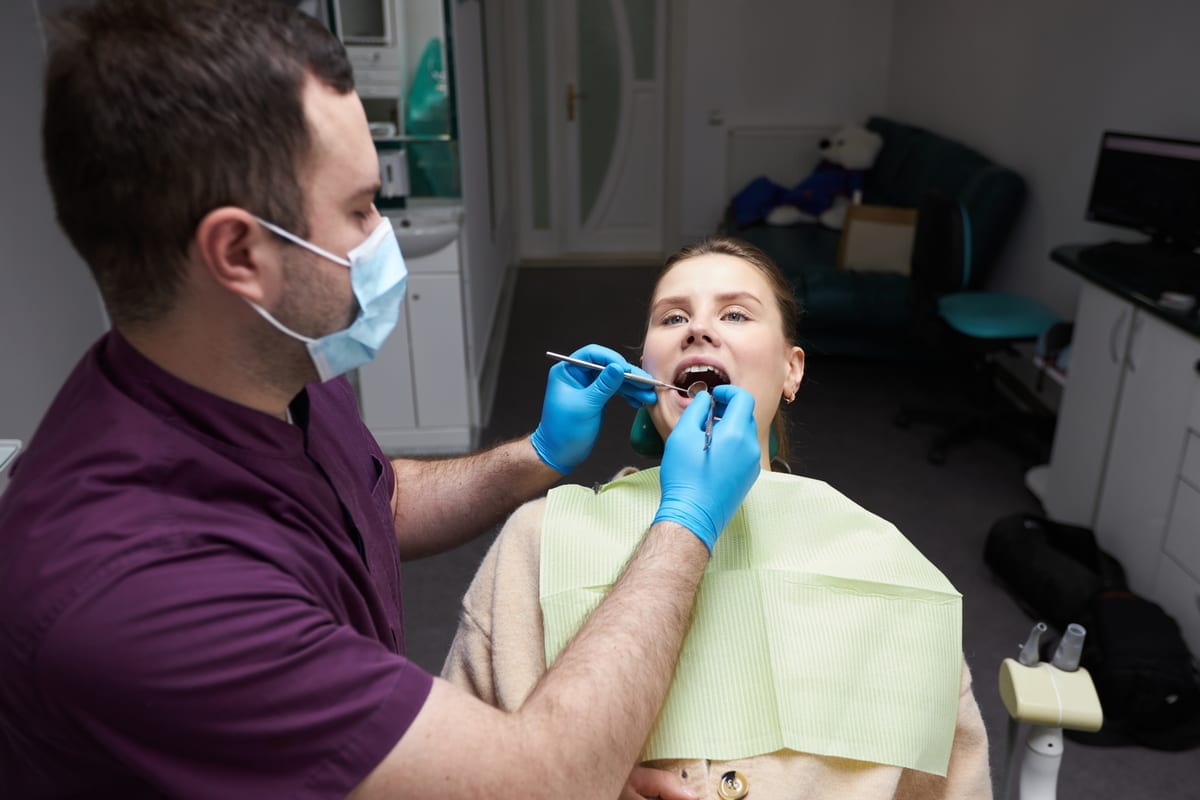
A professional dental cleaning — called prophylaxis — is the only effective way to remove hardened tartar. Dental hygienists use specialized instruments designed to safely break up and remove calculus without damaging your enamel.
Two main tools are used during a professional cleaning. The first is an ultrasonic scaler, which uses high-frequency vibrations and water to shatter tartar deposits. The second is a hand scaler, which allows for precise removal around the gumline and between teeth.
Here is what a professional teeth cleaning typically addresses that home care cannot:
- Hardened tartar above the gumline (supragingival calculus)
- Calculus deposits below the gumline (subgingival calculus)
- Surface stains embedded in plaque and tartar layers
- Bacterial biofilm buildup in periodontal pockets
- Early signs of gum inflammation caused by calculus irritation
After the tartar is removed, the hygienist polishes the teeth. This smooths the enamel surface, which makes it harder for plaque to re-adhere quickly. The entire process resets your oral environment in a way no home routine can replicate.
What Happens When Tartar Is Left Untreated
Ignoring tartar buildup leads to serious consequences over time. The bacteria trapped within and beneath tartar deposits release toxins that irritate gum tissue. This leads to gingivitis — the earliest stage of gum disease.
Without professional cleaning, gingivitis can advance into periodontitis. This is a deeper infection that damages the bone and tissue supporting your teeth. Gum Disease Treatment becomes necessary at this stage, and the process is far more involved than a routine cleaning.
Severe gum disease can eventually lead to tooth loss. When teeth are lost, patients often explore options like Dental Implants to restore function and appearance. Prevention through regular cleanings is always preferable to restorative care after the fact.
Tartar also contributes to tooth decay. The rough surface of calculus traps food particles and bacteria against enamel. Over time, this accelerates cavity formation — especially in areas that are difficult to clean at home.
How Often Should Coraopolis Patients Get Professional Cleanings?
Most patients benefit from professional cleanings every six months. However, some individuals are more prone to tartar buildup than others. Genetics, diet, saliva composition, and smoking can all affect how quickly calculus forms.
Patients with a history of gum disease may need more frequent cleanings — sometimes every three to four months. Dr. Abagayle Stock evaluates each patient individually to determine the right schedule. There is no one-size-fits-all recommendation when it comes to tartar control.
Between visits, the goal is to reduce plaque buildup as much as possible. Brushing for two full minutes twice daily, flossing once a day, and using an antibacterial rinse all help slow tartar formation. These habits won’t eliminate calculus — but they significantly reduce how much builds up between appointments.
When decay does develop despite best efforts, treatments like Dental Bonding And Filling can restore the affected tooth before more invasive treatment becomes necessary.
Take Control of Your Oral Health at Pearl Dentistry of Moon
Now you understand why brushing can’t remove tartar once it hardens — and why that makes professional cleanings so important. Tartar is a physical barrier that only trained dental professionals can safely remove. Skipping cleanings allows it to accumulate and create bigger problems down the road.
Dr. Abagayle Stock and the team at Pearl Dentistry of Moon are here to help Coraopolis patients stay ahead of tartar, gum disease, and decay. We make professional cleanings comfortable, thorough, and genuinely educational. You’ll always leave knowing more about your oral health than when you arrived.
Don’t wait for symptoms to appear before scheduling your next cleaning. Book Now to schedule your appointment with our team.
Frequently Asked Questions
Can tartar remover toothpaste actually dissolve hardened tartar?
No. Tartar control toothpastes help slow the mineralization of plaque, but they cannot dissolve tartar that has already hardened. Once calculus has bonded to the tooth surface, only professional dental instruments can remove it safely and effectively.
How long does it take for plaque to turn into tartar?
Plaque can begin to mineralize into tartar in as little as 24 to 72 hours. The exact timeline varies by individual based on saliva chemistry, diet, and oral hygiene habits. This is why consistent daily brushing and flossing are so important — they disrupt plaque before it hardens.
Is tartar removal painful?
Most patients experience little to no discomfort during a routine cleaning. If tartar has built up significantly below the gumline, there may be some sensitivity during removal. Dr. Abagayle Stock and the Pearl Dentistry of Moon team take care to make the process as comfortable as possible for every patient.
What is the difference between a regular cleaning and a deep cleaning?
A regular prophylaxis cleaning removes plaque and tartar from above and just below the gumline. A deep cleaning — also called scaling and root planing — is used when tartar has built up significantly in periodontal pockets. It involves cleaning deeper below the gumline and smoothing root surfaces to support gum reattachment.
How can I slow tartar buildup between dental visits?
Brush for at least two minutes twice a day using a soft-bristled toothbrush. Floss once daily to remove plaque from between teeth where brushing can’t reach. Using an antibacterial mouthwash can also reduce bacterial load. These habits won’t prevent tartar entirely, but they significantly reduce how much accumulates between professional cleanings.